How to Shopify custom code optimization

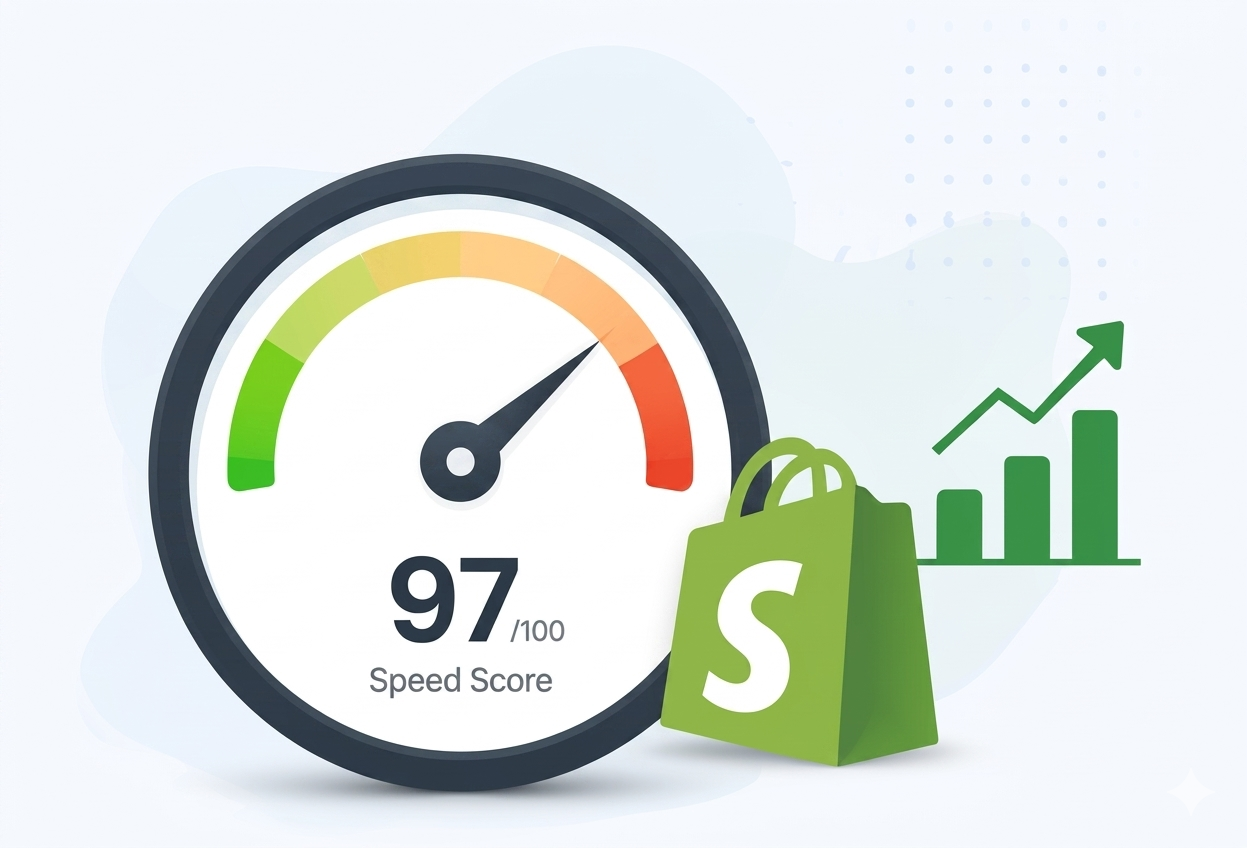
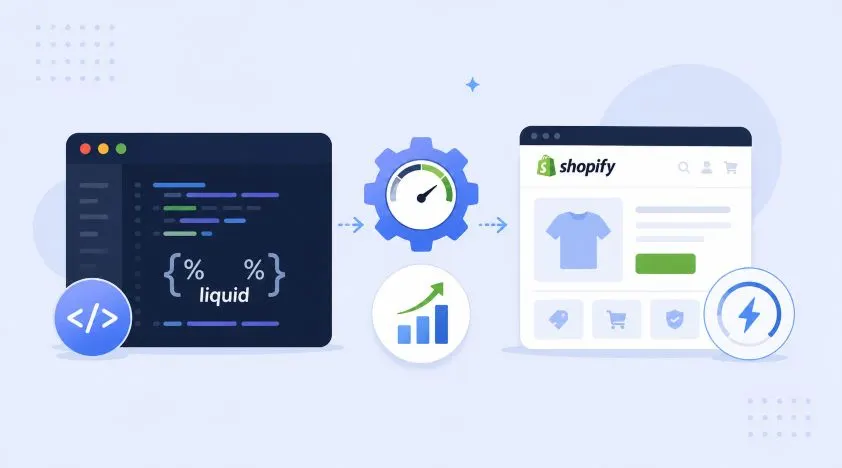
Shopify custom code and Liquid optimization is the systematic process of auditing, refactoring, and streamlining a store’s backend templates (.liquid, JSON, JavaScript, and CSS). By replacing clunky, third-party apps with native Liquid theme development, minifying asset files, and optimizing custom checkout workflows, merchants can decrease page load times below 2 seconds and eliminate technical conversion bottlenecks.

Shopify Custom Code & Liquid Optimization | Hire Certified Experts

Introduction: The Hidden Cost of Code Bloat

As a scaling DTC founder, your storefront design is often your primary focus. However, as your transaction volume grows, an invisible barrier frequently stalls your revenue: template code clutter.

Many e-commerce brands attempt to build complex user experiences by stacking app upon app. While this temporarily solves functional needs, it introduces massive server-side delays through redundant scripts and messy database calls. In an ecosystem where a 1-second delay can drop mobile conversions by up to 20%, technical mastery over your code isn't a luxury—it’s a direct requirement for retail growth.


Why Native Liquid Development Outperforms Theme Apps

Shopify's template language, Liquid, acts as a secure bridge between your store's database and the user's browser. When configured correctly via custom Shopify Liquid theme development, it renders HTML dynamically on Shopify’s servers, ensuring rapid loading speeds.

The App Overload Bottleneck

Every time you install a third-party application for a simple feature—like a product badge, a custom countdown timer, or dynamic cart upsells—you inject remote JavaScript into your theme file header. Your browser must fetch these scripts from external servers before rendering the page, crippling your Google Core Web Vitals (LCP and INP).

The Solution: Custom Section & Block Architecture

Instead of relying on heavy plugins, certified Shopify Experts can construct custom sections and blocks directly inside your layout architecture.

  • The Benefit:Content management becomes completely modular. Your internal marketing team can easily drag, drop, and edit landing page modules in the native theme customizer without ever breaking a line of system code.
  • The Metric:Eliminating just three marketing apps in favor of native Liquid code can boost your desktop and mobile speed scores by 15–30 points instantly.

Step-by-Step Blueprint: The Shopify Theme Code Audit

To understand where your performance bottlenecks lie, you must execute a comprehensive code health assessment.

Step 1: Track and Locate Abandoned Code
When apps are uninstalled, they rarely remove their script tags cleanly. Check your theme.liquid file for orphaned snippets ({% include 'old-app'; %}) that are still making empty server calls.

Step 2: Consolidate Render-Blocking JavaScript
Ensure all non-essential tracking scripts and secondary stylesheets are deferred or loaded asynchronously so they do not block the critical rendering path of your product imagery.

Step 3: Streamline the forloop Logic in Liquid
Poorly written Liquid loops (such as nesting loops to search for specific product tags across massive collections) force Shopify';s servers to compute hundreds of redundant operations per visit. Efficiently filtering collections via metafields drastically reduces Time to First Byte (TTFB).

Advanced Technical Enhancements: Checkout Workflows & Secure APIs

For enterprise-level migrators and high-volume brands operating on Shopify Plus, optimizing basic frontend templates is only half the battle. True optimization extends into the checkout tunnel and checkout processing layer.

Customizing the Checkout Tunnel

By modifying checkout logic through Shopify Functions or secure custom integrations, you can create frictionless experiences tailored to your specific fulfillment constraints. Whether you require advanced conditional shipping rules, dynamic checkout cross-sells, or automated address validation, custom development ensures your highest-intent pages don’t drop buyers at the finish line.

Seamless Third-Party System Integrations

Manually syncing data between your storefront and external operations leads to delays and human error. Connecting your core infrastructure—including Enterprise Resource Planning (ERP) systems, advanced Customer Relationship Management (CRM) databases, shared warehouse inventory platforms, and global shipping carriers—directly via optimized, secure Shopify APIs allows you to automate workflows cleanly behind the scenes.

FAQ

Google uses page experience and mobile loading speed as direct ranking factors. Clean Liquid markup reduces file sizes and ensures your site passes the Core Web Vitals assessment. When search engines recognize a stable, lightning-fast storefront with zero layout shifts, they favor your domain over unoptimized competitors.
Pre-built themes are excellent for launching new concepts quickly, but they are intentionally bloated with dozens of features you may never use. For scaling brands, custom-coded layouts or highly optimized custom theme modifications are ideal. They contain only the code your specific business requires, providing maximum stability and faster load speeds.
Creating a complete URL mapping and implementing 301 redirects is one of the most critical steps. Redirects help search engines understand where content has moved and preserve link equity.Yes. If you find yourself paying high recurring monthly software fees for apps that slow down your checkout sequence, building a private, custom Shopify app is often the superior long-term financial and technical move. Custom apps utilize dedicated servers and cleanly interface with your backend through lightweight, modern APIs.

Real-World Proof: Metrics That Drive Conversions

Leading with data provides absolute peace of mind. Consider these quantitative results achieved through technical code remediation:

Speed Milestone: Re-architecting custom Liquid rendering loops lowered an enterprise merchant's page load times from 4.8 seconds down to a crisp 1.9 seconds.

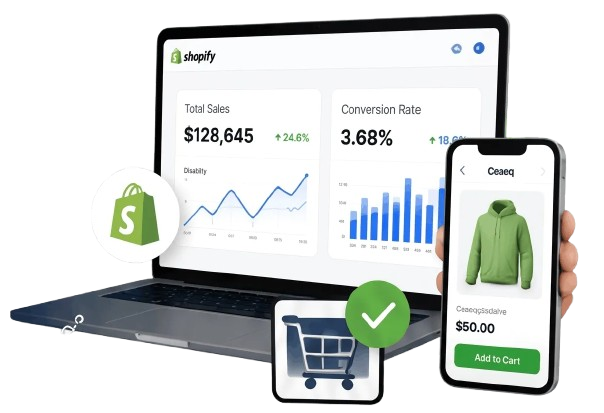
Conversion Milestone: Streamlining unoptimized JavaScript and refining the custom checkout workflow directly triggered a +42% spike in conversion rate over a 90-day testing window.

Automation Milestone: Replacing four generic marketing apps with a single custom- coded API integration saved an operations team over 20 hours of manual data reconciling weekly.

Ready to Build or Improve Your Shopify Store?

Work with expert Shopify developers to grow your eCommerce business faster